
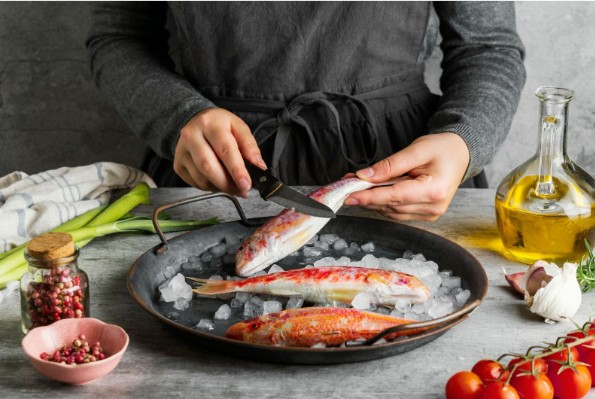
Why Seafood Confidence Starts With Process Not Ingredients
Seafood confidence rarely starts with ingredients. It starts with mindset and process. Many cooks blame fish quality first. They ignore their own habits entirely. Rushing causes most failures consistently. Distraction ruins timing almost instantly. Seafood demands attention without aggression. Calm hands produce better outcomes. Confidence grows from small controlled actions. Process matters more than selection.
Home cooks often chase exotic ingredients. They believe rarity equals better results. This belief creates unnecessary pressure. Pressure leads to overhandling and overcooking. Simple seafood teaches better lessons. Familiarity builds intuition quickly. Intuition replaces fear over time. Process becomes repeatable and reliable. Skill transfers across ingredients later. Confidence begins before shopping.
Why Most Seafood Mistakes Repeat
Mistakes repeat because habits repeat. People overcrowd pans again. They flip too often nervously. They press fish aggressively. Moisture escapes and texture suffers. These habits come from anxiety. Anxiety shortens patience dramatically. Short patience ruins timing accuracy. Timing defines seafood success. Fixing habits fixes outcomes. Awareness breaks repetition cycles.
Another common mistake is multitasking. Seafood cooking demands presence. Walking away causes overcooking fast. Checking phones interrupts timing awareness. Distractions create missed cues. Visual signals pass quickly. Color changes happen fast. Firmness shifts suddenly. Missing those moments ruins texture. Presence improves results immediately. Focus is a skill too.
The Role Of Heat Discipline
Heat discipline separates learning cooks from frustrated ones. High heat rewards preparation only. Low heat rewards patience and trust. Medium heat confuses beginners often. It dries seafood slowly without benefits. Preheating pans builds confidence early. Cold pans cause sticking and tearing. Sudden temperature changes shock proteins. Stable heat creates predictable texture. Control beats power every time.
Oil temperature matters more than quantity. Proper oil prevents sticking and odors. Smoking oil signals readiness. Underheated oil absorbs moisture. Moisture leads to steaming not searing. Searing requires confidence and restraint. Let the seafood release naturally. Forced flipping damages surface integrity. Heat discipline calms the process. Calm improves timing accuracy.
Learning Texture Through Touch And Sight
Texture communicates doneness clearly. Eyes and fingers provide cues. Raw seafood looks translucent and shiny. Cooking turns flesh opaque gradually. Firmness increases with heat exposure. Springy texture signals readiness. Hard texture signals overcooking. This window is brief always. Watching texture beats timers consistently. Timers ignore thickness and heat variance.
Touch improves intuition faster than theory. Gently pressing reveals firmness levels. Practice builds memory quickly. Repetition trains sensory awareness. Sensory learning sticks longer. Visual and tactile cues combine powerfully. Cooking becomes responsive not mechanical. This reduces fear significantly. Confidence grows from sensory trust. Trust develops through repetition.
Choosing Cooking Methods That Build Skill
Some methods teach better than others. Steaming teaches timing gently. Baking teaches carryover heat awareness. Pan searing teaches heat control sharply. Frying hides mistakes temporarily. Grilling adds variables and stress. Beginners should start controlled. Control reduces variables initially. Fewer variables mean clearer feedback. Clear feedback accelerates learning. Skill grows faster with clarity.
Method choice shapes confidence curves. Early success encourages continuation. Early failure discourages practice. Forgiving methods protect morale. Morale influences willingness to try again. Cooking skill grows through repetition. Repetition requires emotional safety. Choosing wisely protects motivation. Motivation sustains learning cycles. Skill development feels less threatening. Progress becomes enjoyable gradually.
Flavor Building Without Overcomplication
Flavor starts with salt timing. Early salting penetrates flesh better. Late salting stays surface level. Acid should be used sparingly. Acid changes texture chemically. Short exposure preserves structure. Long exposure causes mushiness. Oils carry flavor evenly. Butter adds richness but burns quickly. Balance matters more than quantity.
Spices should support not dominate. Heavy spice masks natural sweetness. Seafood benefits from restraint. Fresh herbs add brightness without heaviness. Aromatics should enhance gently. Overcomplication increases error risk. Simple flavors highlight technique quality. Technique carries flavor naturally. Good cooking tastes clean and clear. Clarity feels satisfying. Simplicity builds confidence faster.
Smell Fear And Kitchen Anxiety
Smell fear keeps many cooks away. Bad seafood smells before cooking. Good seafood smells clean and mild. Cooking odors come from overcooking mostly. Burnt proteins release harsh smells. Proper heat prevents odor buildup. Ventilation reduces anxiety quickly. Open windows calm nerves psychologically. Trust sensory evaluation before cooking. Fear fades with successful experiences.
Quality handling matters more than species. Freshness solves many problems. Proper storage preserves texture and smell. Poor storage causes most complaints. Buying from trusted sources helps confidence. Visual inspection matters greatly. Firm flesh indicates freshness. Sliminess signals trouble. Nose confirms suspicions reliably. Knowledge dissolves fear gradually. Experience confirms knowledge repeatedly.
Timing As The Real Skill
Timing decides success more than seasoning. Most seafood cooks very quickly. Carryover heat finishes cooking silently. Removing early prevents dryness. Waiting for perfection overshoots doneness. Visual cues appear earlier than expected. Color change signals readiness. Firmness confirms timing accuracy. Timers mislead without context. Experience trains timing instinctively. Repetition builds reliable intuition.
Using one ingredient repeatedly helps learning. Familiarity reveals patterns quickly. Adjusting heat refines results. Observing mistakes accelerates improvement. Mistakes teach faster than success. Recording outcomes mentally helps calibration. Confidence grows with predictability. Predictability reduces anxiety. Anxiety blocks learning efficiency. Calm cooking improves timing mastery.
Why Familiar Seafood Builds Confidence
Familiar seafood removes mental friction. Known textures reduce uncertainty. Known cooking times reduce panic. Confidence grows from predictability. Predictability encourages experimentation later. Once systems work, ingredients vary easily. Skill transfers across similar structures. Fear shrinks as competence expands. Cooking becomes exploration not threat. Home kitchens become learning spaces.
In the middle of this journey, ingredients like Surmai fish appear as reminders that mastery depends less on the name and more on understanding heat, timing, and restraint within familiar systems.
Confidence eventually replaces hesitation. Cooking feels intuitive not forced. Seafood becomes approachable again. Skills accumulate quietly over time. Repetition builds mastery invisibly. Home cooking becomes enjoyable and reliable. Fear dissolves through understanding. Understanding grows through practice. Practice belongs in home kitchens. Seafood deserves that space naturally.