
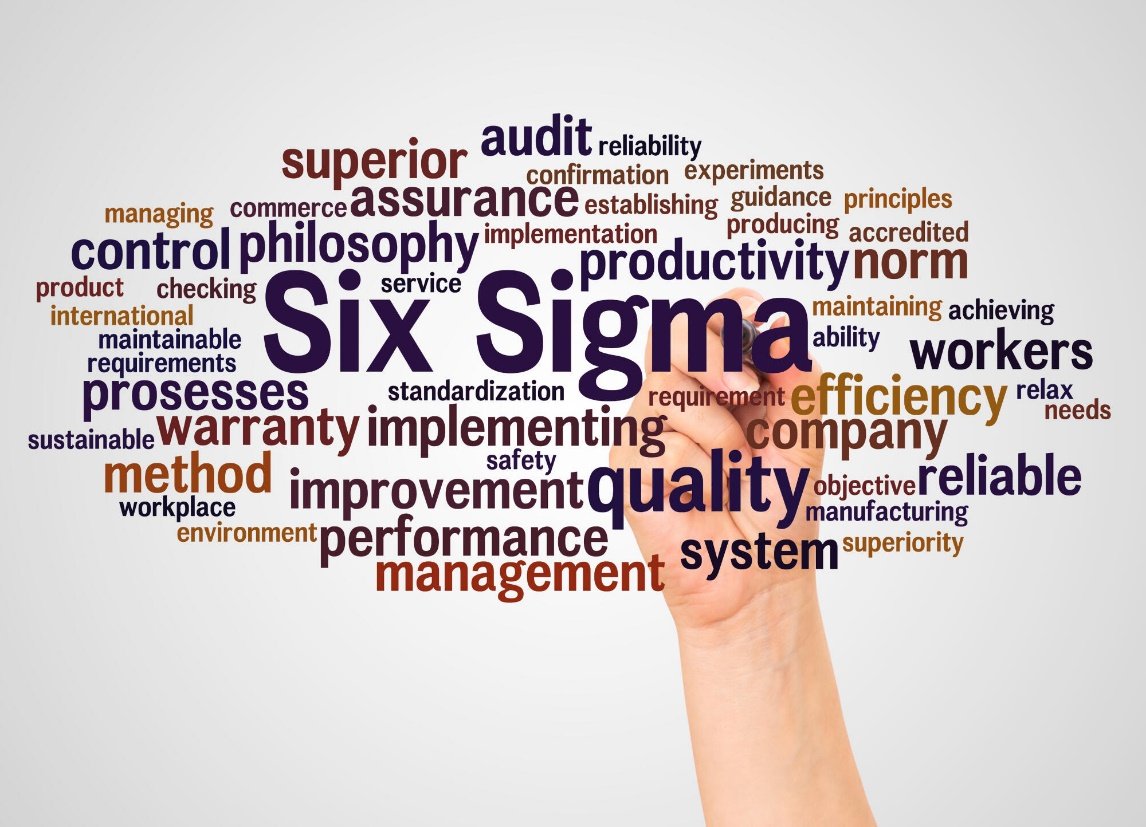
Lean Six Sigma Training: Build Strong Process Improvement Skills
Lean Six Sigma training helps people improve how they work. It teaches simple and practical methods that make processes faster, clearer, and more accurate. These methods help remove waste, reduce errors, and increase consistency.
Many industries now depend on Lean Six Sigma because it improves quality and customer satisfaction. More workers choose this training because it supports personal growth and long-term success.
This article explains the benefits of Lean Six Sigma training in simple terms. It also shows how these skills help both employees and organizations reach better results.
Reduction of Waste
Waste slows down progress and increases cost. Lean Six Sigma training teaches people how to detect many forms of waste, such as:
- waiting time
- unnecessary motion
- extra inventory
- overprocessing
These wastes often go unnoticed, but they have a large impact on performance. When workers learn how to reduce waste, tasks become smoother and faster. It also becomes easier to meet deadlines.
Waste reduction helps organizations save money and resources. It creates a cleaner and more organized workspace.
Over time, workers also become more aware of small improvements they can make. This leads to ongoing progress.
Stronger Problem-Solving Skills
Lean Six Sigma provides a structured approach to problem-solving. Workers learn how to use tools that help them break down issues step by step.
They learn the value of asking the right questions and gathering the right information. This reduces guesswork and leads to better decisions.
Strong problem-solving skills help teams respond quickly to challenges. They also prevent small issues from turning into major problems.
As workers practice these skills, they become more confident and more independent. This improves teamwork because everyone understands how to approach problems in a similar and organized way.
Increased Efficiency
Efficiency improves when unnecessary work is removed and tasks are simplified. Lean Six Sigma training teaches workers how to streamline their routines.
It helps them identify slow steps and redesign workflows to be faster. This allows teams to complete tasks with fewer interruptions.
Increased efficiency also reduces stress because workers spend less time recovering from errors or delays. When an entire team becomes efficient, the organization gains a strong competitive advantage.
Efficient systems are easier to manage and more adaptable to new demands. This helps companies grow without becoming overwhelmed by higher workloads.
Higher Customer Satisfaction
Customers expect quick service and consistent quality. Lean Six Sigma helps organizations meet these expectations by reducing:
- errors
- delays
- defects
It teaches workers to focus on what customers value most. When customers receive reliable products or services, they develop trust in the company. This leads to repeat business and positive feedback.
Customer satisfaction rises when workers understand how their actions directly affect customer experience. Over time, improvements in quality and speed create stronger customer relationships. Happy customers are more loyal and more likely to recommend the business to others.
Better Use of Data
Lean Six Sigma encourages data-driven decisions. Workers learn how to collect accurate data and use simple tools to interpret it.
This prevents decisions based on assumptions or opinions. When teams rely on data, they gain clearer insights into problems and solutions.
Data also helps track progress and measure the impact of changes. This builds confidence because workers can see the results of their efforts.
Strong data skills help organizations make smarter plans for the future and avoid repeating mistakes. Over time, data-driven thinking becomes a habit that supports continuous improvement.
Stronger Teamwork
Teamwork improves when everyone uses the same methods and tools. Lean Six Sigma training helps workers collaborate in a structured and respectful way.
It teaches them how to communicate ideas clearly and listen to others. This reduces conflict and encourages cooperation.
Improvement projects often bring people from different departments together. This helps teams understand each other’s challenges and strengths.
Strong teamwork makes projects more successful and helps create a more supportive work environment. As people work together more often, trust grows, and teams become more united.
Better Quality Control
Quality control is a core part of Lean Six Sigma. Workers learn how to monitor quality at every stage of a process. They use simple techniques to find defects early and correct them right away.
This reduces rework and saves time. Good quality control also protects the company’s reputation.
Customers prefer products and services that meet high standards. Workers feel proud when they deliver excellent results. Over time, strong quality control creates a culture of precision and commitment. It also reduces cost because the organization spends less time fixing problems and more time delivering value.
Support for Career Growth
Lean Six Sigma training helps workers stand out in their careers. It shows employers that they understand:
- improvement
- quality
- efficiency
Many companies value these skills and look for people who can lead small projects or support organizational change. Workers who complete Lean Six Sigma training often qualify for new roles or promotions.
Many also receive recognition from industry groups and certification programs. Some learners train with organizations like The Lean Six Sigma Company to gain higher-level credentials. These opportunities help workers build strong and stable careers that grow over time.
Strong Leadership Skills
Leadership improves when workers understand how to guide teams through change. Lean Six Sigma teaches leaders how to:
- set clear goals
- communicate well
- monitor progress
It also shows them how to motivate teams with facts and results instead of pressure. Leaders learn how to handle challenges with a calm and structured mindset. They become better at coaching others and helping them grow.
Strong leadership helps teams stay focused and confident. It also supports a positive workplace environment. This is where improvement becomes a shared goal. Over time, these leadership habits help the organization remain stable and adaptable.
More Cost Savings
Cost savings are one of the biggest advantages of Lean Six Sigma. When waste is reduced and errors decrease, costs go down. Companies save money on:
- labor
- materials
- repairs
- delays
These savings can be used to:
- improve equipment
- hire more workers
- expand services
Cost savings also help companies keep prices competitive. This attracts more customers and strengthens the business. Over time, financial improvements create long-term stability.
Managers can plan better because systems become predictable and well-controlled. With fewer surprises, the business can focus on growth instead of fixing repeated issues.
Better Workplace Culture
A strong workplace culture makes employees feel respected and valued. Lean Six Sigma supports this by:
- encouraging ideas
- teamwork
- continuous learning
Workers feel empowered to share suggestions because they know their input matters. This builds trust between employees and leadership. A supportive culture reduces stress and strengthens communication.
When people enjoy their environment, they perform better. Over time, Lean Six Sigma creates a culture where improvement becomes part of everyday work.
This leads to happier teams and stronger results. As the culture grows, employees feel more connected to the organization’s mission.
Adaptability to Change
Change is constant in today’s workplaces. Lean Six Sigma helps workers adapt by teaching them how to analyze new situations and respond with effective solutions.
Workers learn how to adjust quickly without causing disruption. This reduces resistance to new tools or systems.
Adaptable teams help companies stay competitive during industry shifts. They can adopt new technologies or strategies with confidence.
When adaptability becomes a habit, organizations become more resilient during difficult times. This also helps employees feel secure because they know they can handle new challenges with the skills they have learned.
Better Risk Management
Lean Six Sigma teaches workers how to identify risks early. This helps teams prevent issues before they turn into major problems.
Workers learn simple tools to analyze failures and understand why they happen. This builds a safer and more stable work environment.
Good risk management protects the company’s resources and reputation. It also helps teams stay prepared for unexpected situations.
When risks are controlled, teams can focus more on innovation and long-term improvement. Over time, risk management becomes part of everyday planning instead of a reaction to emergencies.
Improved Communication
Good communication supports every part of an organization. Lean Six Sigma encourages clear updates, organized reports, and simple explanations.
Workers learn how to explain problems using facts instead of opinions. They also learn how to present ideas in ways that everyone can understand.
This reduces confusion and strengthens teamwork. Improved communication helps projects run smoothly and reduces delays caused by misunderstandings.
When people communicate well, the entire organization becomes more united and effective. Strong communication also builds trust, because everyone knows what needs to be done and why it matters.
All AboutLean Six Sigma Training
Lean Six Sigma training offers many powerful benefits. It helps workers understand processes, solve problems, improve quality, and boost efficiency.
It strengthens teamwork, leadership, communication, and adaptability. It also supports customer satisfaction and long-term cost savings.
Companies benefit from stronger systems and more reliable results. With these advantages, Lean Six Sigma continues to be one of the most effective methods for building success. This training helps individuals and organizations grow with clarity, confidence, and purpose.
Looking for more tips and ideas? We’ve got you covered. Check out some of our other posts now.