The Beauty and Function of Traditional Design Elements: A Closer Look at Clamps
Traditional design has always been shaped by necessity. Long before design trends were named or categorised, objects were created to solve problems, endure daily use, and support skilled hands at work. While decorative details often draw attention, it is the understated, practical components that form the backbone of enduring design. Among these, clamps stand as a powerful example of how simple tools can embody lasting design principles.
Clamps may not be immediately visible in a finished product, but they are essential to the process that brings quality craftsmanship to life. Their presence is felt in the precision of joinery, the strength of construction, and the confidence with which materials are held together during creation.
Why Traditional Design Continues to Resonate
The appeal of traditional design lies in its honesty. Every element has a reason to exist, shaped by function rather than fashion. This approach values longevity over novelty and reliability over visual excess.
Historically, materials were expensive and labour was skilled, which meant tools and fittings had to work efficiently and last for years, often decades. Designs were refined slowly through use, resulting in forms that feel intuitive and balanced. This mindset produced tools that still feel relevant today, even as technology evolves.
Traditional design also encourages a deeper relationship between the maker and the tool. The weight of metal, the resistance of a screw thread, and the feedback through the hands all contribute to a tactile experience that modern disposable tools often lack.
Clamps as a Foundation of Craftsmanship
Clamps play a vital role across countless trades, from woodworking and metal fabrication to construction and restoration. Their primary purpose is simple: to hold materials firmly in place. Yet achieving this reliably requires thoughtful engineering.
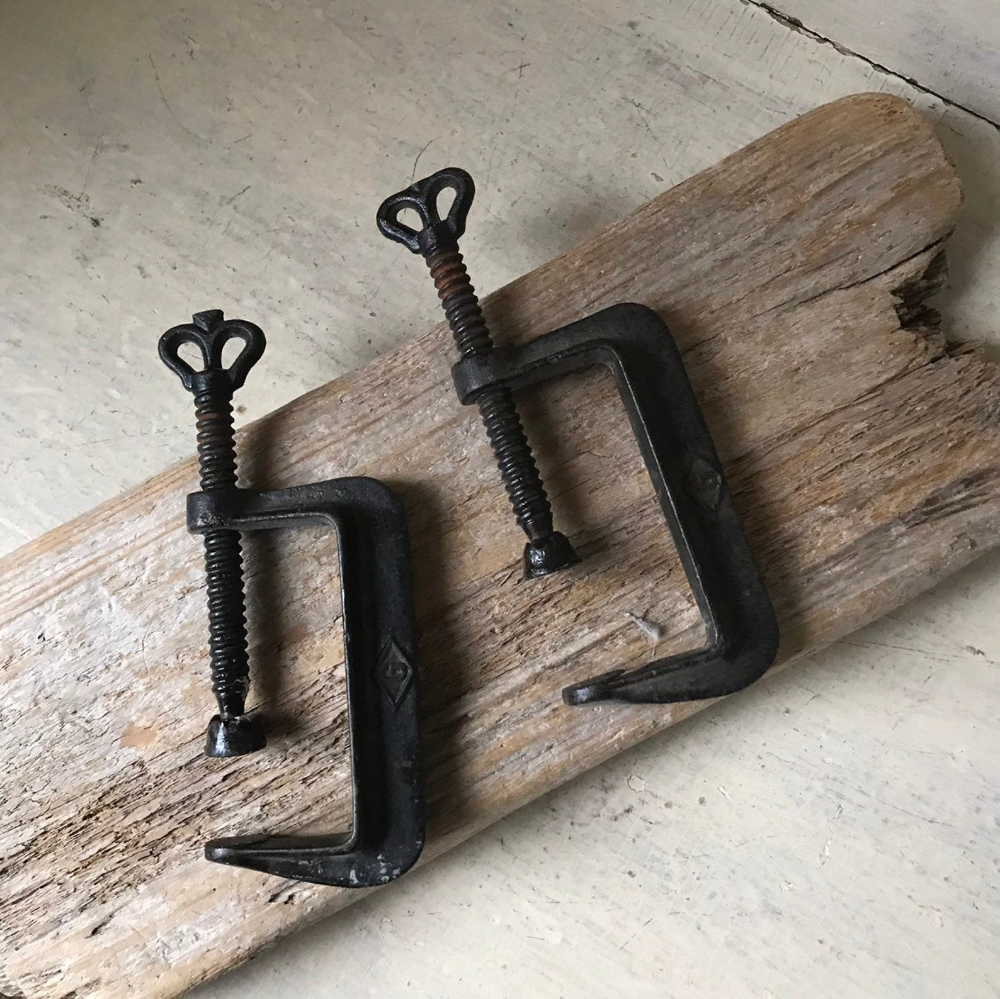
Traditional clamps are designed to apply consistent pressure without damaging the material beneath. Screw mechanisms allow for gradual tightening, giving the user control and precision. Frames are shaped to distribute force evenly, while handles are designed for grip and leverage rather than decoration.
Over time, these design choices have proven their worth. Well-made clamps remain dependable through repeated use, often becoming trusted tools that craftsmen return to day after day. This reliability reflects a broader principle of traditional design: tools should support skill, not replace it.
For those seeking modern products built on these enduring ideas, this range of adjustable clamps demonstrates how classic design principles continue to inform practical solutions today.
The Visual Language of Practical Tools
Although clamps are designed primarily for function, they possess a quiet visual character. Exposed threads, solid frames, and purposeful proportions create a form of understated beauty. There is no attempt to disguise how the tool works. Instead, its construction is clearly expressed.
This transparency aligns closely with traditional design values. When an object reveals its function through its form, it becomes easier to understand and trust. Over time, signs of wear such as polished metal edges or darkened threads add to this character, reinforcing the sense that the tool has earned its place through use.
Relevance in Modern Making and Design
Despite advances in automation and digital manufacturing, clamps remain indispensable. Even the most advanced machinery often relies on manual fixing and positioning at critical stages. Prototyping, custom builds, and restoration work all depend heavily on adaptable tools that can respond to unique challenges.
Clamps offer flexibility that automated systems cannot always match. They can be repositioned, adjusted, and reused across a wide range of materials and project sizes. This adaptability is one reason they have endured while other tools have been replaced.
Modern designers and engineers increasingly recognise the value of returning to these fundamentals. As sustainability becomes a priority, tools that last longer and serve multiple purposes are once again seen as desirable rather than outdated.
Lessons Traditional Tools Still Teach
Clamps illustrate several lessons that extend beyond the workshop. They show that effective design does not need to be complex, that durability is a form of responsibility, and that well-considered simplicity can outperform more elaborate solutions.
These principles apply just as readily to architecture, furniture design, and product development as they do to hand tools. By studying traditional elements, designers can create modern solutions that feel grounded, trustworthy, and purposeful.